Project #97 · Member project
Astatic D104 PreAmp Circuit
Mark ZS6MDG · 27 June 2025
Category
Amplifiers
Version
—
Status
—
Difficulty
—
Built by members
0
About this build
Using a preamp with the Astatic D-104 microphone is often essential when pairing it with modern transceivers—and here’s why:
🎙️ Why Use a Preamp with the Astatic D-104?
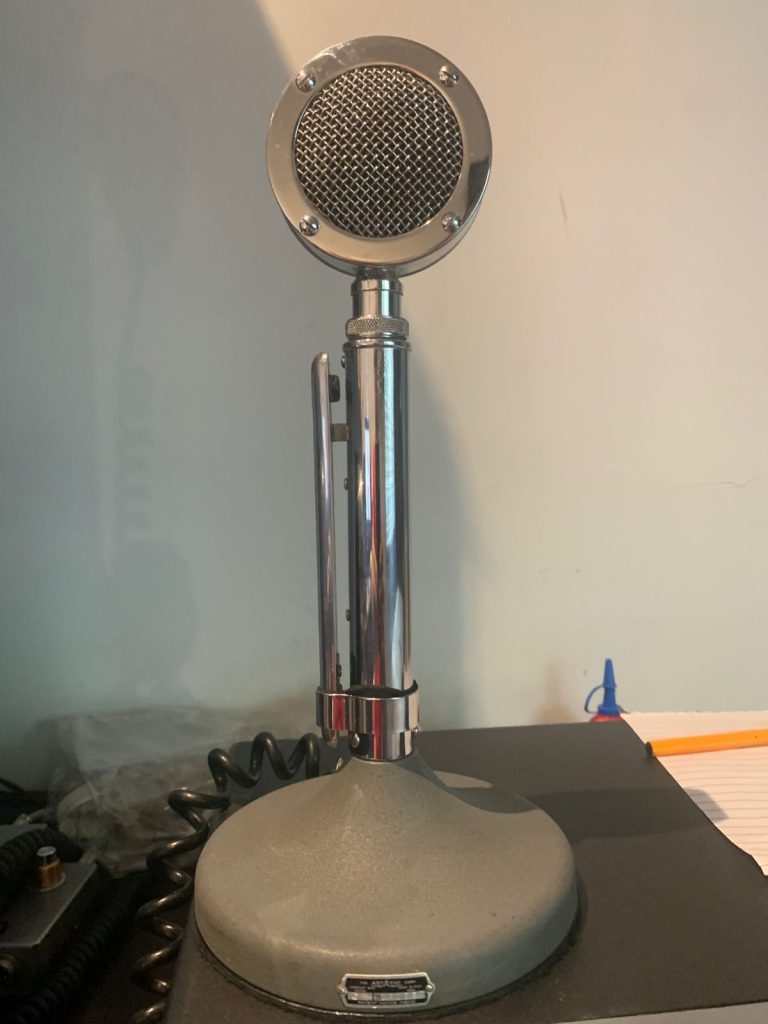
The Astatic D-104 is a high-impedance crystal microphone originally designed in the 1930s for use with vacuum tube radios, which had high-impedance mic inputs (typically around 100kΩ). Modern radios, however, use low-impedance inputs (around 600Ω), which creates a mismatch.
🔧 Key Reasons for Using a Preamp:
- Impedance Matching: A preamp acts as a buffer to match the D-104’s high output impedance to the low input impedance of modern radios. Without it, you can lose up to 40 dB of signal, resulting in very weak or muddy audio.
- Gain Boost: The preamp amplifies the mic signal to a usable level for modern transceivers.
- Preserve Audio Quality: Without a preamp, the mismatch can roll off high frequencies, making your audio sound dull or muffled.
- Power Compatibility: Some preamps can draw power from the mic line of the radio, avoiding the need for external power supplies.
🛠️ Types of Preamps Used
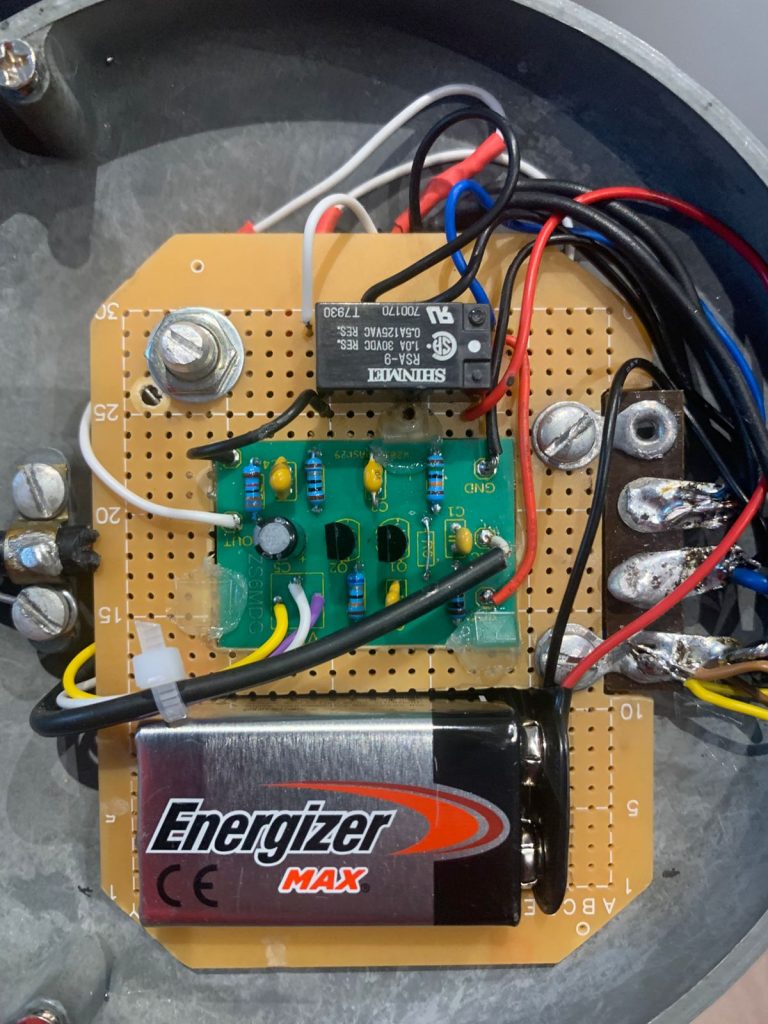
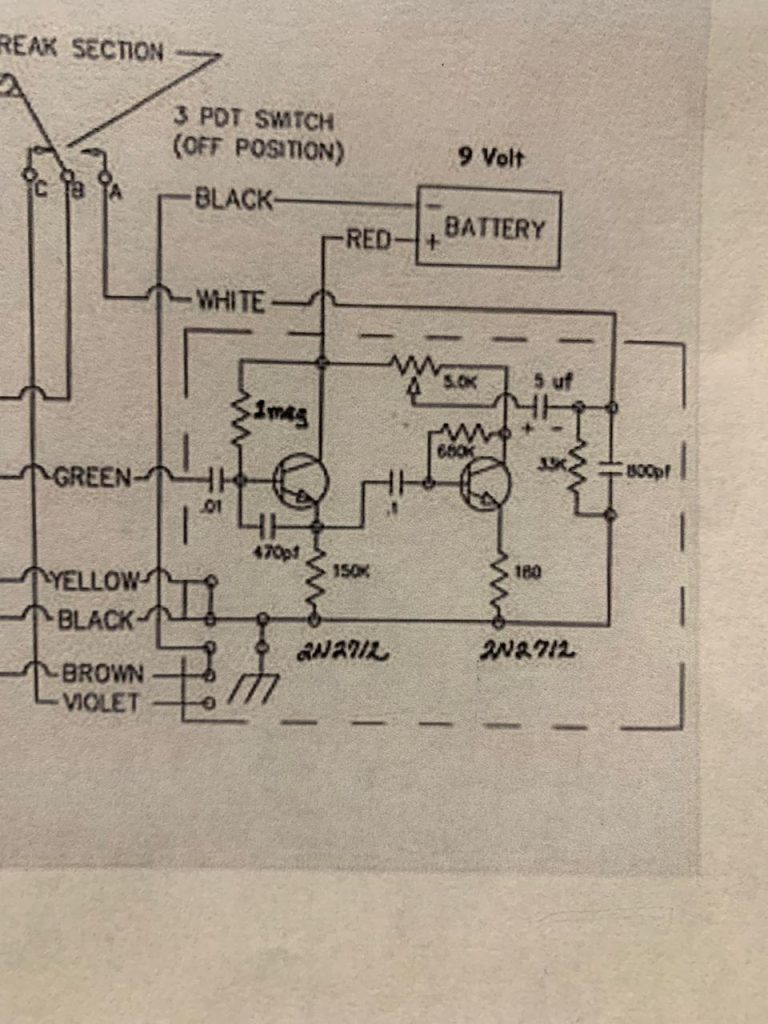
- Built-in transistor amps: Found in some D-104 bases (like the UG8 stand), these use a simple two-transistor circuit to boost gain.
- Op-amp buffer circuits: More modern and efficient, these can be built into the mic base and offer better fidelity and lower power draw.
⚠️ Without a Preamp?
If you connect a D-104 directly to a modern radio without a preamp:
- The audio will be extremely low or distorted
- You risk damaging the mic element if improperly wired
- You’ll likely need to crank up mic gain, which introduces noise


The project PCB's will be available soon from Mark ZS6MDG or Ronnies Homebrew Kits.